The Computing Pipeline: A Foundation for Diversifying Computer Science
Written By Miranda Redenbaugh
For many high schoolers, the daunting task of choosing a career path starts early on in the classroom. Perhaps it begins with a teacher who motivates thinking, or a subject that creates engagement. But for most, it develops into a passion with continual exposure. Unfortunately, not every high school has the robust programming to give a fair chance to each possible career path. The hope of those leading the Broadening Participation in Computing (BPC) program at the University of Chicago is to spark an interest in computer science for those who might not have the opportunity to explore everything the field entails.
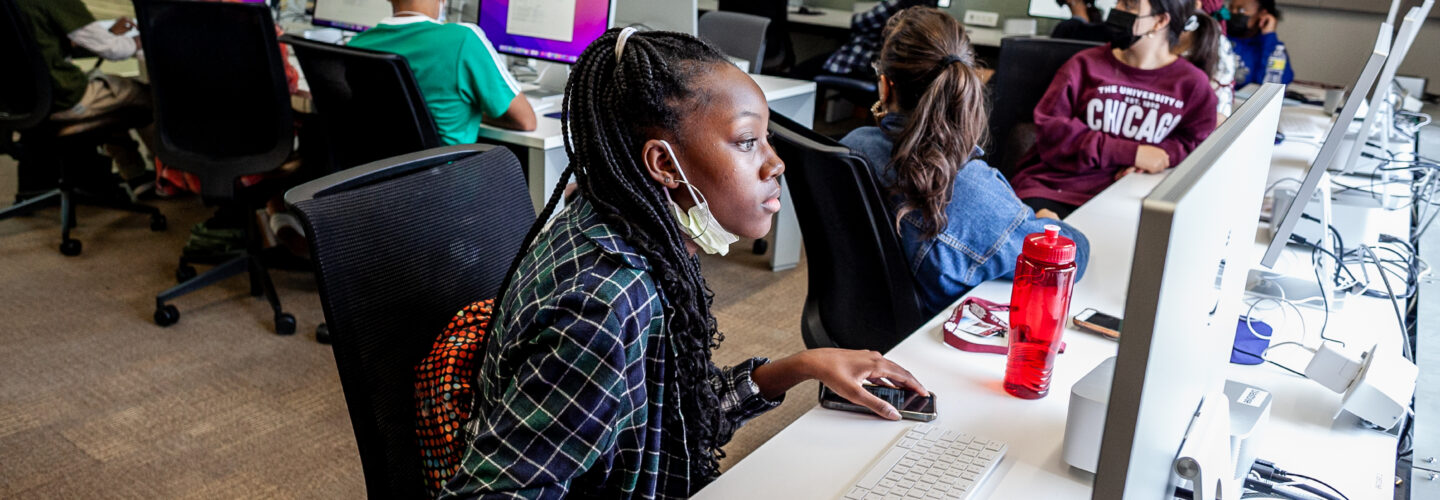
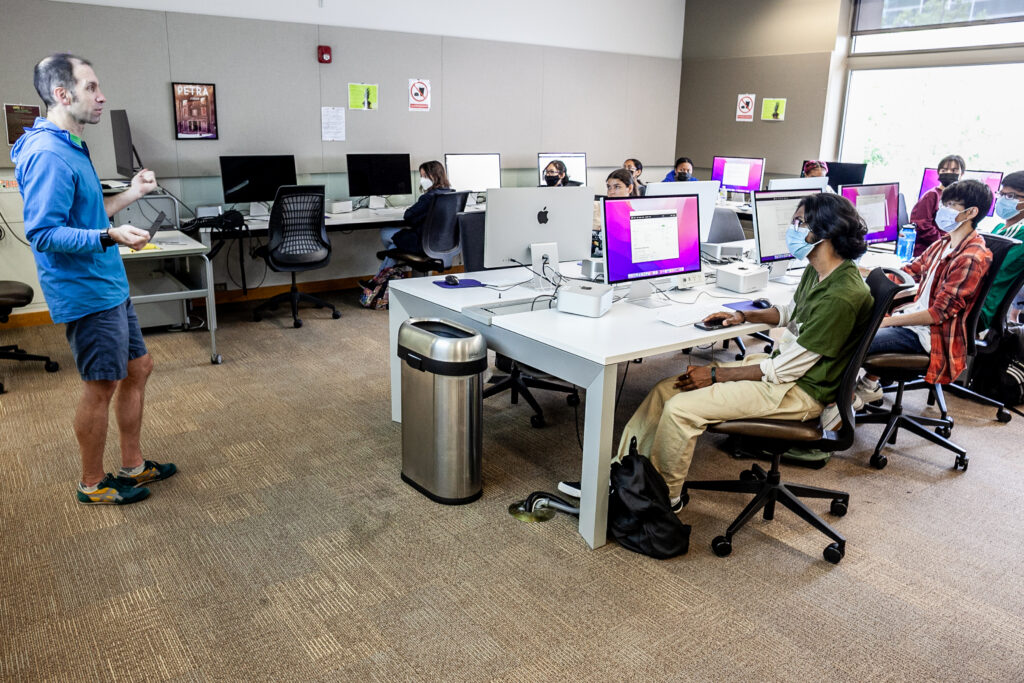
One of the biggest efforts for the BPC program has been offering summer courses and workshops to students from first-generation, low-income, and historically underserved backgrounds. The classes, which are taught by UChicago faculty, take a hands-on approach to the field of computing and allow students to create a deeper connection with what they are learning. In a post-course survey, students cited they appreciated that part the most.
“I enjoyed the interactive aspect. A lot of courses don’t give that. It allows me to understand more because I learn better with a hands-on experience.”
Sustained Engagement Through Courses and Workshops
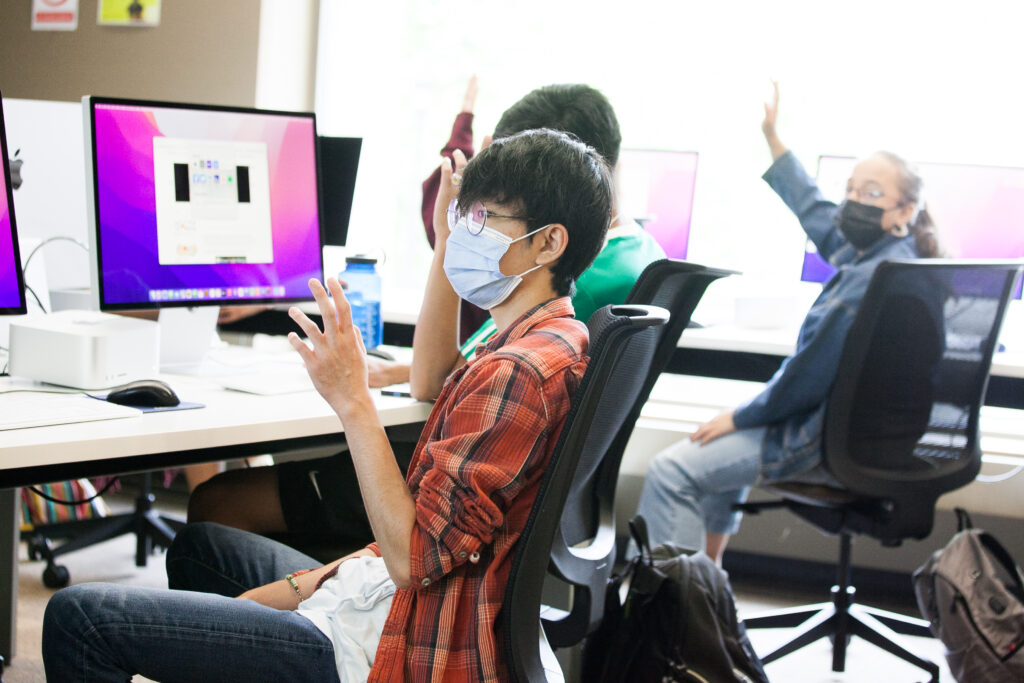
This past summer, 40 rising high school seniors registered for courses that included areas of study like artificial intelligence, computer hacking, and internet equity. Professor Nick Feamster, who taught How Your Home Internet Works, from Bits to Policy, wanted students to come away with both a technical understanding of how the modern Internet works and a deeper understanding of how local, state, and federal policy affects Internet infrastructure in the United States. Armed with an understanding of Internet measurement, students then learned how that measurement data would drive investments in Internet connectivity, from infrastructure investment to subsidy programs. The class shined a light on the vast amount of racial disparity present in Internet infrastructure. The idea is that this kind of powerful information ultimately drives future change.
One student stated,“It was valuable learning about the ethics of computer science, as it revealed a lot of disparities that exist between racial groups. It motivates me to contribute to computer science in a way that helps address these disparities.”
During Professor Marshini Chetty and graduate student, Jake Chanenson’s, user-centered design workshop, students not only learned how to gather user needs, create prototypes based on those needs using design tools, and evaluate those lightweight prototypes, but also how to make the internet more trustworthy and inclusive. Those who took the class found it enhanced their critical thinking skills when looking at the world around them.
“Design class really helped me look at certain things and go, oh, that was done to make it more accessible.”
Moving the Needle
After taking the classes, students said in a survey that they felt more of a sense of belonging in the field of computer science. Additionally, multiple students who were involved declared themselves as intended CS majors, with some choosing the University of Chicago as their school of choice. The program was enough to spark the interest in computer science for two in particular: High school seniors Yaretzi Ulloa and Chris Deng, who are now working with Feamster and Chetty this fall.
Ulloa, a prospective project design major who is interning with Chetty, is taking part in research that looks at online manipulative tactics. The group is looking specifically at Netflix and whether there are any sort of interface design features that affect user’s time management or content choices. Ulloa will take part in the upcoming portion of this research by reviewing field materials, brainstorming questions for a user study, and analyzing data.
Chetty feels lucky to be paired up with Ulloa and sees her contributions as integral to the research team’s work. “She’s been great. To me, it’s less about whether you are in high school, an undergrad, or graduate student,” Chetty stated. “We are a team. We are working on this project together and everyone is contributing. So I see her more as someone directly working on our project and less as someone who is in high school.”
Likewise, Deng asked Feamster to mentor him after taking his course. The information Deng learned inspired the idea for his current AP research project.
“Nick’s specialty is internet equity, which he talked to us about in class. I didn’t know how to look at something like that before,” said Deng. “So now my project is looking at the internet statistics for high schools like CPS to see like, is there internet equity there?”
Being able to have opportunities like this is something Deng finds great value in, not only for exposure to computer science but also to college in general.
“I’m still going through the college application process, but I realized that there’s a lot of information out there in choosing a college, understanding different majors, and what’s to be expected. It can be really stressful. But having a class like this and being able to go to a university campus, meet professors in person, and be taught by them helps me feel a bit more reassured.”
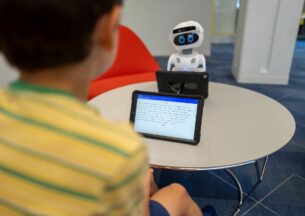
The programming has continued during the fall of 2022 with a series of five Milgrom enrichment and mentoring sessions. A Make Your Own Wearable from Scratch workshop taught by professor Pedro Lopes will be coming up in the winter of 2023, and students can also look forward to a robotics workshop being taught in the summer of 2023 by professor Sarah Sebo. These workshops are supported by a grant from the Successful Pathways from School to Work initiative of the University of Chicago, funded by the Hymen Milgrom Supporting Organization. In addition, this long-term sustained engagement of high school students, which is a cornerstone of the departmental BPC efforts, is a result of a fruitful collaboration with the College Readiness and Access Programs of the Office of Civic Engagement. For more information on the BPC program or how you can get involved, contact the EDI committee or visit the website here.